
The Hair-Care Trends of 2026 Are About Getting More Bang for Your Buck
 Andy JacksonSave this storySave this story
A beauty brand's catchphrase, “You’re worth it,” couldn’t be truer this year. With everything that's going on in the world (read tariffs), 2026 hair-care trends are focused on making sure you’re getting the most value out of your products.
In a recent survey, 75% of beauty executives said they expect to see more consumer scrutiny of perceived value. Modest inflation is a reality, and the stock market can feel uncertain, so we’re being especially choosy about where we spend money. If we’re going to splurge on a high-end shampoo, it better be worth every cent—and be markedly better than something we could get for half the price.
Expect to see brands up the ante with fragrance partnerships, offering scents in formats that might be less expensive than a bottle of eau de parfum. For the eco-minded consumer, brands may look to make their value proposition more purpose-based. Waterless hair-care products, such as dissolvable sheets and powder-to-liquid formulas, will become more widely available. And enough with spending money on a product category that doesn't cater to your very specific hair type: Those with curly hair won’t have to settle for heavy creams and gels, and will be pleased to find more foam formats on the market to address their personal needs.
Of course, all this stress can take a toll on our hair. Experts expect to see an emphasis on scalp health and reducing hair loss. There’s “a deepening consumer shift toward holistic hair health, where scalp care is no longer a secondary routine but an integrated part of the hair-care ritual,” says Beth Labrecque, beauty and well-being R&D engagement and activation manager at Unilever.
Below, we asked the experts to break down the biggest hair-care trends of 2026.
Fragrance-based care
Expectations are high in 2026. With price tags and dupe culture skyrocketing, we want to make sure we’re getting value for our dollar. “Consumers are demanding ingredients that are not only effective but feel luxurious,” says Labrecque.
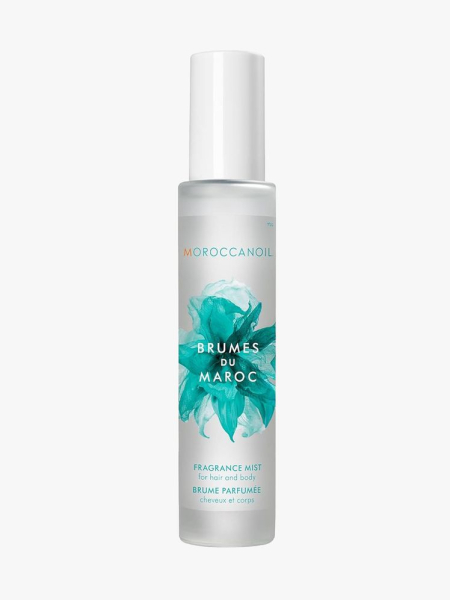
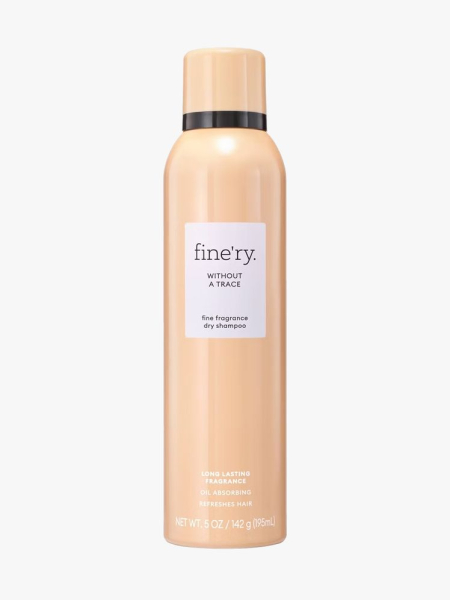
Fragrance is expected to lead the growth of the beauty market through 2030, and it makes sense that we’ll start to see it cross over into products like hair care. It’s a natural match: Hair is porous (water, products, and treatments can penetrate the cuticle, according to the New York Society of Cosmetic Chemists), so scent lingers. And who doesn’t want to leave a signature scent with just a Glinda-like toss of their hair?
Economics also changes the habits of beauty consumers. Think of fragrance-based hair care as the age-old lipstick index: When people are stressed, they are more willing to spend money on smaller luxuries and self-care, like lipstick or fancy shampoo to get a little boost of serotonin, while cutting back on bigger purchases. “Fragrance is an attainable and everyday feel-good luxury that almost everyone can enjoy and relate to,” says Autumne West, Nordstrom’s national beauty director.
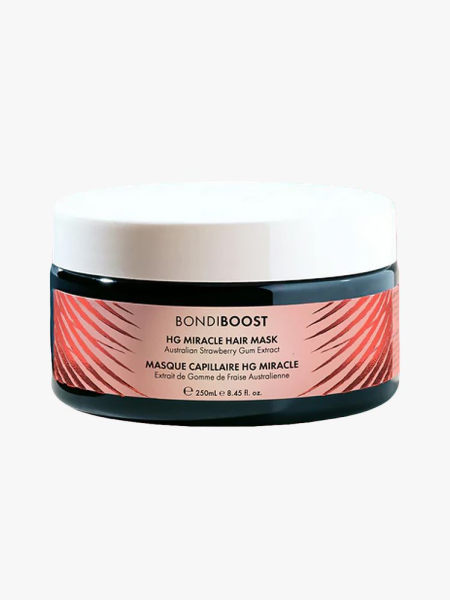
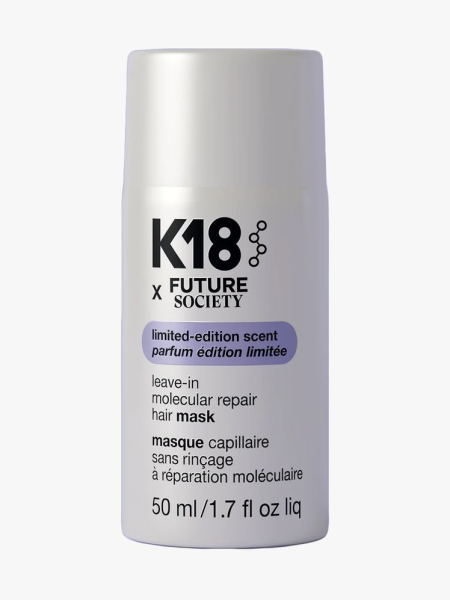
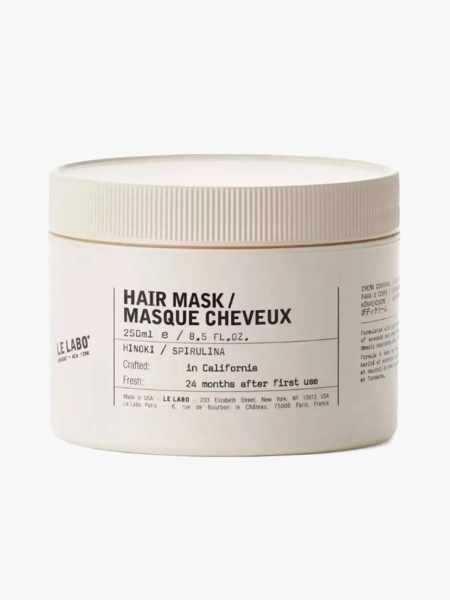
In 2026, keep an eye out for brands that are known for hair-care products announcing partnerships with splashy fragrance brands (last year’s K18-Future Society collab) or fragrance brands releasing their own treatments, like Le Labo’s hair mask.
 Save to wishlist
BondiBoost
Strawberry Gum Miracle Mask
BondiBoost
 Save to wishlist
K18 X Future Society
Leave-In Molecular Hair Mask
K18
 Save to wishlist
Le Labo
Hair Mask
Nordstrom
 Save to wishlist
Moroccanoil
Hair and Body Fragrance Mist
Amazon
Nordstrom
Ulta Beauty
 Save to wishlist
Fine'ry
Dry Shampoo
Target
Waterless hair care
It’s the catch-22 of hair care: We all want luminous mermaid hair, but those same mermaids would wince at how much water waste our products create. “Shampoos and conditioners typically include about 80 to 90% water,” says Cincinnati-based cosmetic chemist Kelly Dobos.
Recent studies have shown that we use about 13.4 liters of water just to rinse shampoo and conditioner from our hair. That doesn’t even account for the water waste created in the facilities that manufacture our products. Water is a finite resource, and with about 720 million people worldwide facing high or critical water-stress levels, it can be hard to justify long showers and water-intensive hair care.
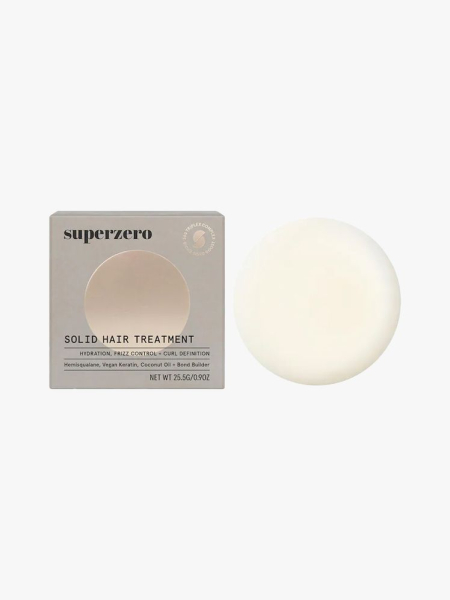
“The interest in waterless hair care is driven by a combination of sustainability concerns and innovative formats,” says Dobos. But the shift to waterless hair care has taken some time. “Water helps products spread easily on the hair, incorporate ingredients, and create foam,” she says. “It’s really challenging to deliver the same level of performance for a conditioner in a bar format, for example.”
 Save to wishlist
Superzero
Instant Shine and Anti-Frizz Hair Serum Treatment Bar
Sephora
 Save to wishlist
Night
Shampoo Sheets
Macy's
Night
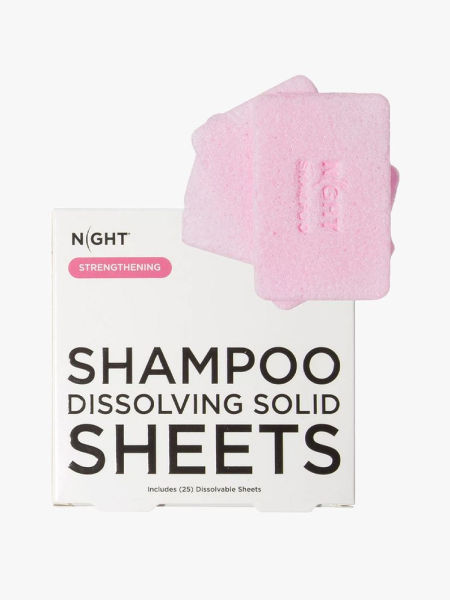
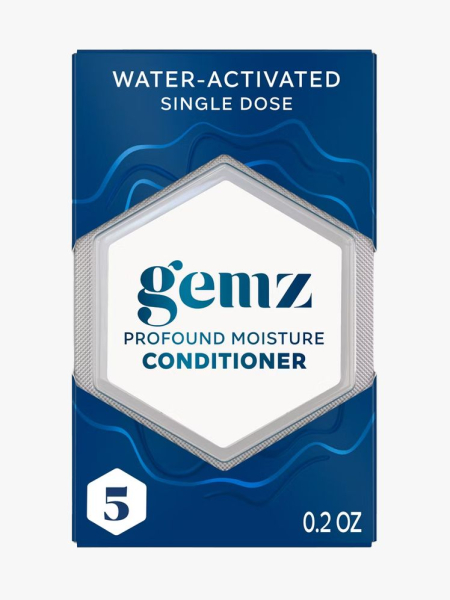
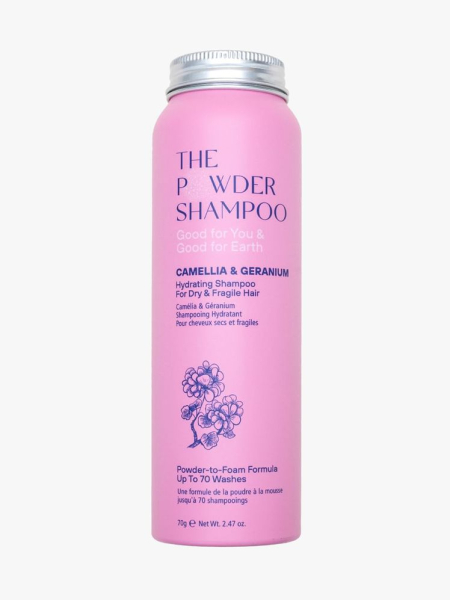
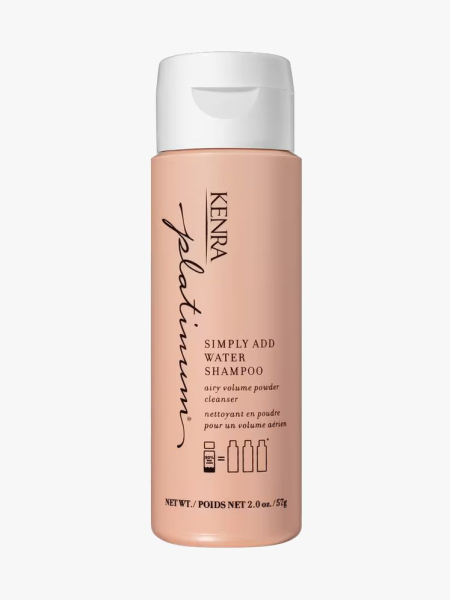
In 2026, we’ll see some updated waterless options as brands refine ye olde shampoo bars to make them just as nourishing as their liquid counterparts, says Dobos. Avoid bars that don’t list conditioning ingredients like behentrimonium methosulfate, silicone alternatives like natural oils, or plant-derived emollients like hemisqualane. Brands are also looking to create even newer waterless formats like dissolvable sheets, powder-to-liquid cleansers, and encapsulated oil systems.
 Save to wishlist
Gemz
Profound Moisture Conditioner
Target
 Save to wishlist
The Powder Shampoo
Hydrating Shampoo
Amazon
 Save to wishlist
Kenra Professional
Simply Add Water Shampoo
Ulta Beauty
Scalp care and hair-loss solutions
According to a survey by the American Psychological Association, stress—about societal division, the future, and isolation—is a significant issue for most Americans heading into 2026. And when things get stressful, and your mental health suffers, your hair and scalp often reflect that. Stress can disrupt your body’s natural rhythms, leading to increased breakage, dryness, thinning, or sensitivity.
As we’ve learned, tend the garden (scalp) and your flowers will flourish. “Our hair grows from follicles in the scalp, so the skin health of the scalp is extremely important in determining the health, growth, and appearance of the hair,” says Kristina Collins, MD, a board-certified dermatologist in Austin.
“Lifestyle stressors are pushing more people to seek preventative and restorative solutions, starting at the root,” says Labrecque, who expects more consumers to start treating their scalp as part of a skin-care routine.
“Brands are finally designing products for true scalp penetration and therapeutic benefit, not just fragrance and shine,” says Rachel Westbay, MD, a board-certified dermatologist at Marmur Medical in New York City. “We’re seeing a shift toward prescription-strength actives in cosmetic formats, targeted delivery systems (particles that actually reach the follicle opening instead of sitting on top of the scalp), and exfoliating scalp serums with acids or enzymes.”
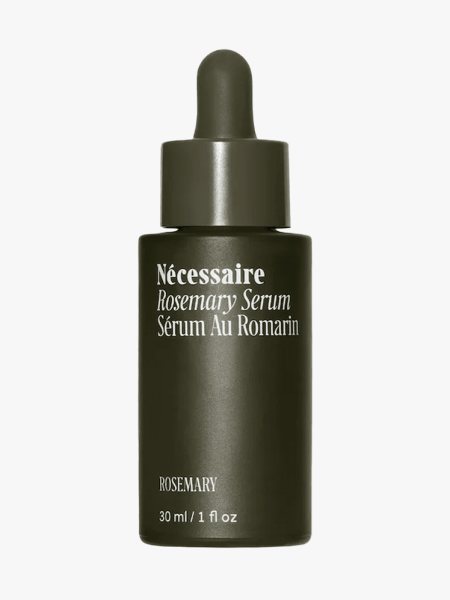
Dr. Westbay says to look for more products coming out with niacinamide to help support barrier health, salicylic acid to exfoliate buildup, and caffeine or rosemary, “[which all show] emerging support for follicle stimulation.” (Though the most effective hair-growth solution is still topical minoxidil.)
 Save to wishlist
Nécessaire
Rosemary Serum
Nordstrom
 Save to wishlist
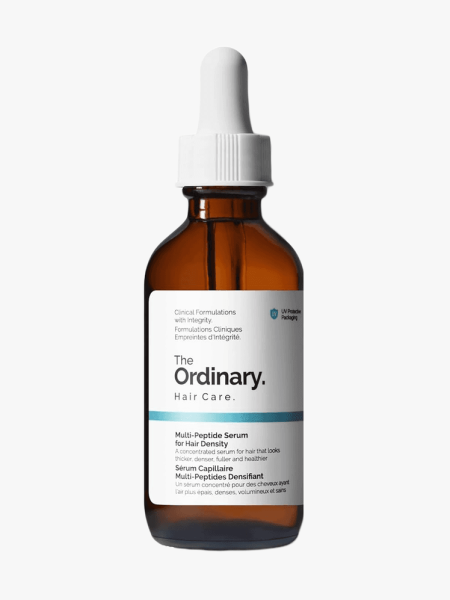
The Ordinary
Multi-Peptide Serum for Hair Density
Amazon
Nordstrom
Ulta Beauty
 Save to wishlist
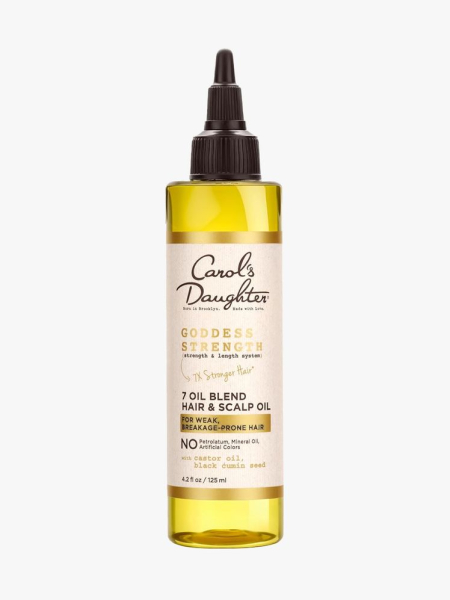
Carol's Daughter
Goddess Strength Scalp Oil
Amazon
Ulta Beauty
 Save to wishlist
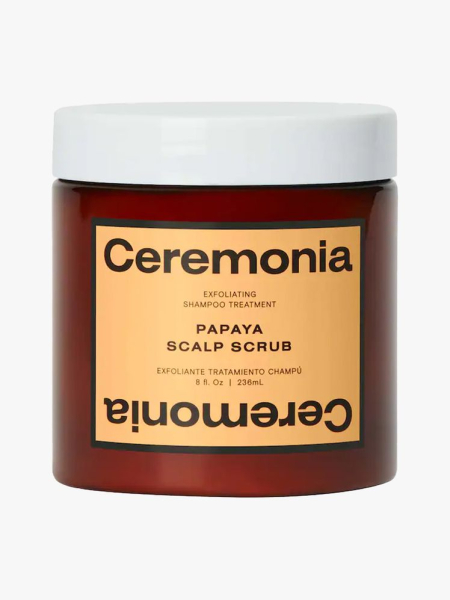
Ceremonia
Papaya Scalp Scrub
Amazon (3.3 Oz)
Revolve (8 Oz)
Sephora (8 Oz)
Curl foams
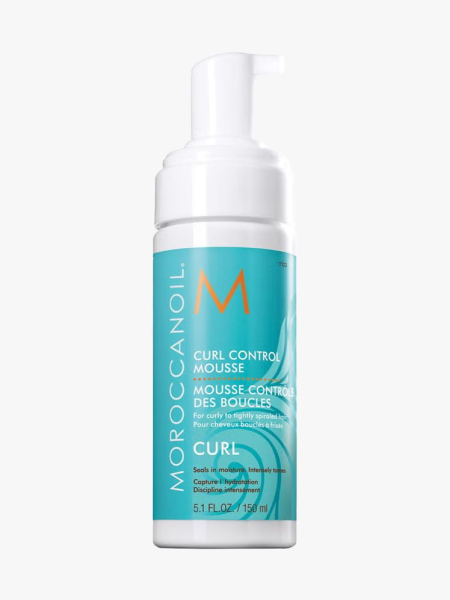
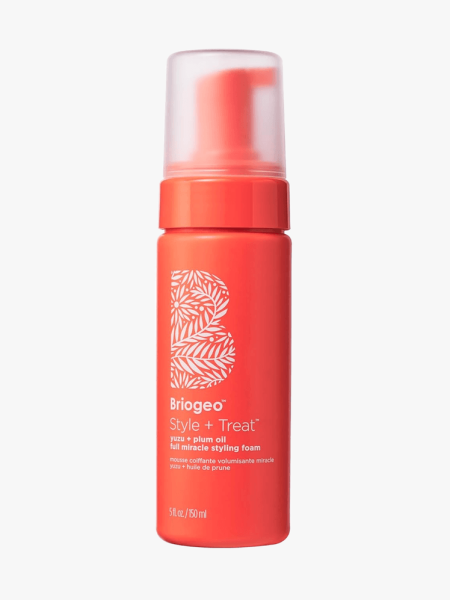
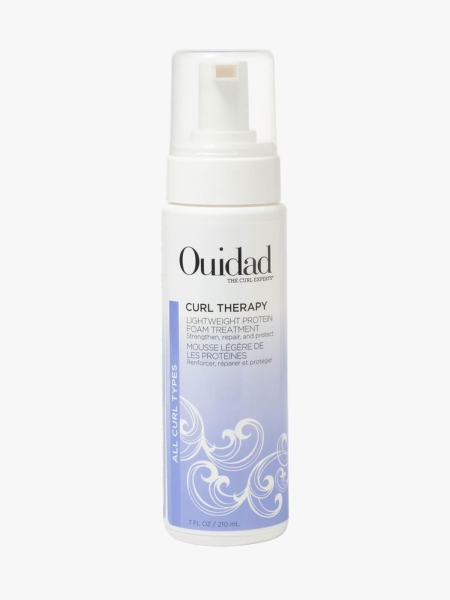
When it comes to hair care, one size has never truly fit all, but with consumers demanding more value in 2026, they’ll expect products to be truly one of a kind. “We’ll see more personalized hair-care routines for different types of curl patterns and waves,” predicts Shianna Davey, vice president of hair merchandising for Ulta Beauty.
While creams may be good for curls that crave hydration and can take the weight of a super-rich product, other curl types (fine, wavy, or loose) may not be able to stand up to that kind of formulation. Instead, curl foams offer airy, lightweight styling that won’t sacrifice definition or frizz control.
“People with very dry scalps or extremely coarse, tightly curled hair may prefer the greater moisture of a cream or oil-based formula,” says Dr. Collins. But “foams are much lighter and less likely to leave residue on the scalp or the hair than creams or gels.” In 2026, brands will want to capitalize on giving consumers personalized options, such as a foam, rather than traditional creams and gels.
 Save to wishlist
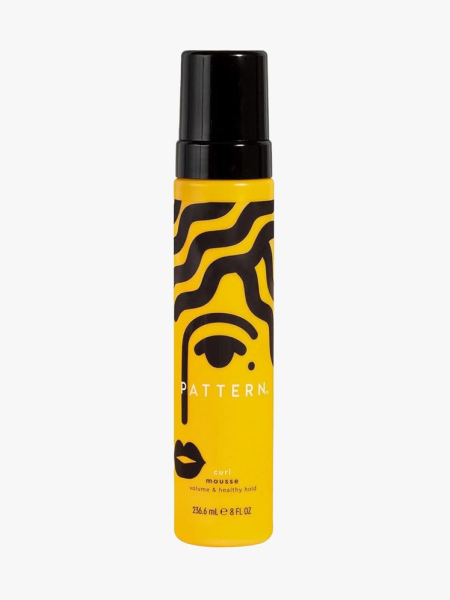
Pattern Beauty
Curl Mousse
Amazon
Ulta Beauty
Sephora
 Save to wishlist
Moroccanoil
Curl Control Mousse
Amazon
NOrdstrom
Dermstore
 Save to wishlist
Briogeo
Yuzu + Plum Oil Full Miracle Styling Foam
Amazon
Nordstrom
Ulta Beauty
 Save to wishlist
Ouidad
Curl Therapy Lightweight Protein Foam Treatment
Amazon
Ulta Beauty
Preserving hair color and styles
If lipstick and yummy-smelling hair care are affordable pick-me-up luxuries, salon appointments are on the budget-cutting block. A cut and color can cost over $100 (as in, well over), and if you’re religious about touchups, the dollars add up quickly. “When times are hard, hair [care] tends to be put on the back burner,” Kentucky-based hairstylist Jordan Ware previously told Allure. Her clients are letting their color grow out or extending the time between appointments.
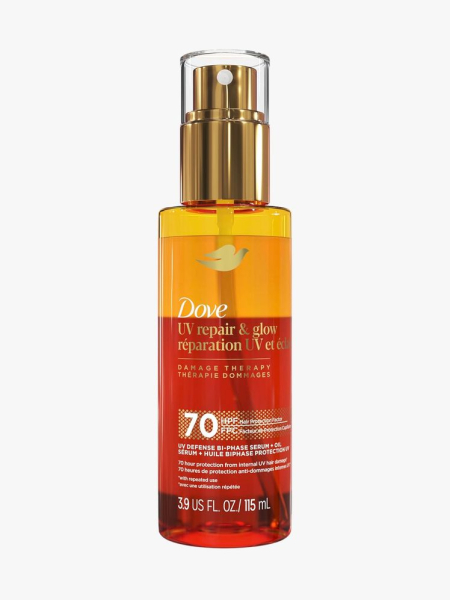
In lieu of a salon visit, several big brands have some hardworking products on the docket for 2026—particularly at drugstore prices. Dove recently launched its UV Repair and Glow collection, which, as the name suggests, is formulated to help prevent UV damage (like discoloration and brittleness), and L’Oréal Paris is launching a style-preserving line next month.
 Save to wishlist
Dove
UV Repair & Glow Bi-Phase Spray
Amazon
Meet the experts
- Kristina Collins, MD, is a board-certified dermatologist based in Austin.
- Shianna Davey is vice president of hair merchandising for Ulta Beauty.
- Kelly Dobos is a cosmetic chemist based in Cincinnati.
- Beth Labrecque is the beauty and well-being R&D engagement and activation manager for Unilever.
- Autumne West is the national beauty director for Nordstrom.
- Rachel Westbay, MD, is a board-certified dermatologist at Marmur Medical in New York City.